


Blog
Can You Wear Leather In The Rain? A Guide To Waterproofing Your Outerwear
Apr
Can You Wear Leather In The Rain? A Guide to Waterproofing Your Outerwear
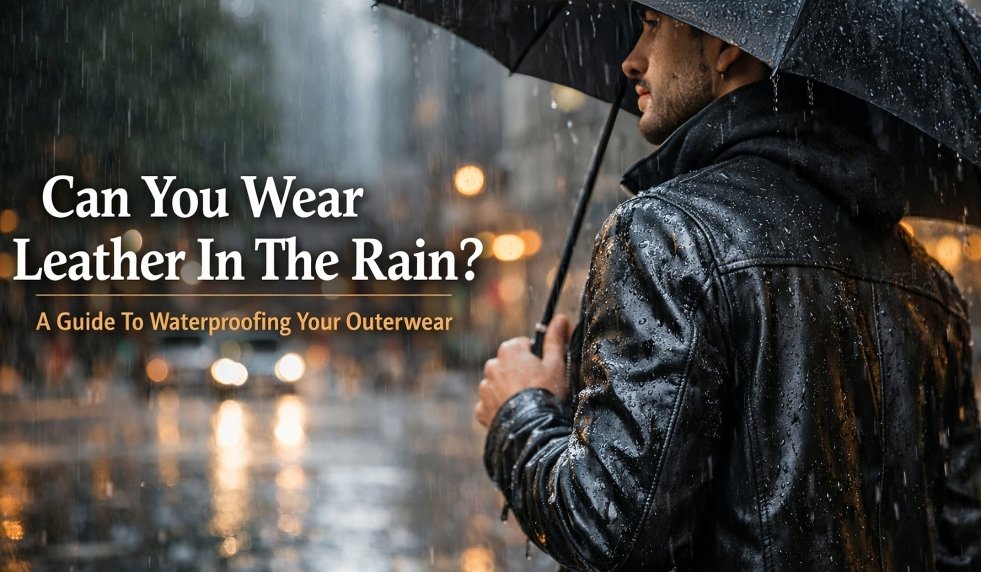
There is a common myth that leather and water are mortal enemies, akin to oil and vinegar or a cat and a bathtub. We’ve all been there: you step outside in your favorite sleek leather jacket, the sky turns a bruised shade of purple, and suddenly, the first heavy droplet hits your sleeve. Your heart sinks. You wonder if your prized investment is about to shrivel, stain, or heaven forbid start smelling like a damp basement.
The short answer? Yes, you absolutely can wear leather in the rain, but there’s a pretty big but involved.
Because leather is a natural, porous material, it’s actually a bit like your own skin it’s tough and resilient, but it isn’t naturally waterproof. It can handle a bit of water, but it doesn’t love being soaked. The good news is that if you prep it right and give it some TLC after the clouds clear, your jacket won’t just survive a downpour it might actually come out looking even better, with that perfectly broken in character we all love.
In this comprehensive guide for Starlet Leathers, we’re going to dive deep into the science of leather and water, how to prep your gear for the elements, and exactly what to do when you get caught in a deluge.
Why Does Water Affect Leather?
To understand how to protect your jacket, you have to understand what leather actually is. Leather is skin. Even though it has been tanned and treated, it retains a microscopic structure of fibers and pores.
When water hits untreated leather, it doesn’t just sit on the surface; it seeps into these pores. If the leather becomes wetted out fully saturated, several things happen:
- Oil Displacement: As the water evaporates later, it pulls the natural oils out of the leather. These oils are what keep the hide supple. Once they’re gone, the leather becomes brittle and prone to cracking.
- Staining: Rain isn’t just pure H2O It carries pollutants and minerals. As the water dries, these particles can leave tide marks or salt rings on the surface.
- Structural Change: If dried too quickly like putting it on a radiator, the protein fibers in the leather can shrink and harden, permanently changing the fit of your jacket.
Pre Rain Prep: How to Waterproof Your Leather
Prevention is always better than a cure. If you know you live in a climate where scattered showers is a permanent forecast, you need to weather proof your outerwear before the season begins.
1. Water Repellent Sprays (The Modern Solution)
Most high quality leather shops recommend a silicone free water protector spray. These create an invisible, breathable barrier that causes water to bead up and roll off the surface rather than soaking in.
- How to apply: Hold the can about 6–8 inches away and apply an even coat. Let it dry for 24 hours, then apply a second coat.
- Best for: Suede, nubuck, and delicate fashion leathers.
2. Wax Based Conditioners (The Traditional Route)
For heavy duty biker jackets or work coats, waxes like beeswax provide a much deeper level of protection. Wax fills the pores and creates a physical shield against moisture.
- How to apply: Warm the wax slightly with your hands and rub it into the leather in circular motions.
- Pro Tip: Wax can slightly darken the color of the leather, so always test a small, inconspicuous area first.
3. Specialty Creams
Leather balms and creams often contain a mix of oils and mild waxes. They don’t offer the submersible protection of a heavy wax, but they are excellent for light rain and keeping the leather hydrated.
Different Types of Leather vs. The Rain
Not all leathers are created equal. Depending on what you’re wearing from the Starlet Leathers collection, your panic level should vary.
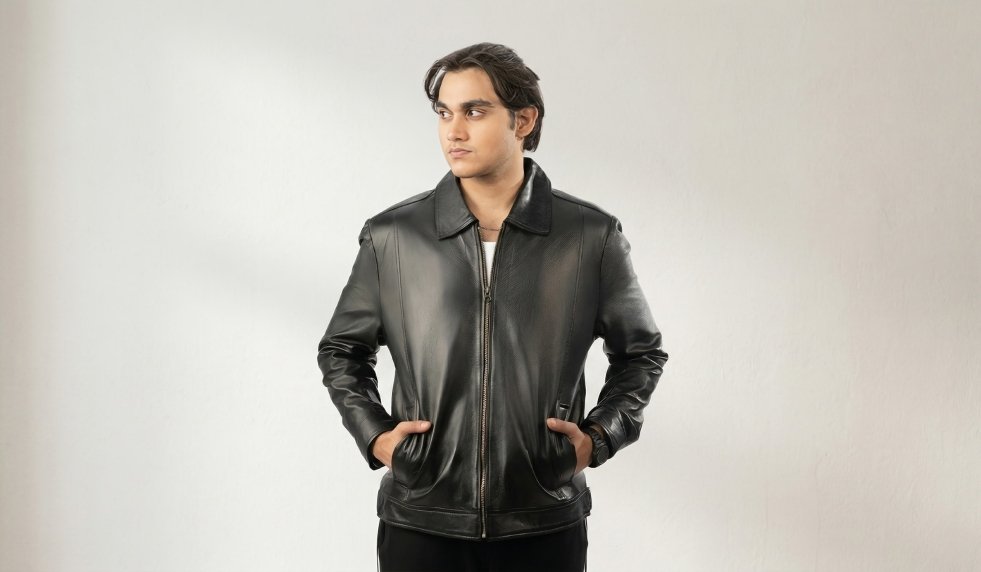
Full Grain Leather
This is the toughest stuff. Because the tightest grain pattern is still intact, it has a natural level of water resistance. It can handle a moderate rain shower quite well, provided it is conditioned afterward.
Suede and Nubuck
Warning: These are the most vulnerable. Suede is essentially an open invitation for water. Without a heavy duty protector spray, rain will cause the nap the fuzzy texture to mat down and stain instantly. If it’s pouring, leave the suede at home.
Patent Leather
Because patent leather is coated in a plastic or resin finish, it is actually the most waterproof leather you can wear. Water usually wipes right off. However, the seams are still vulnerable, so don’t go swimming in it.
The I Just Got Soaked Protocol: A Step by Step Recovery
You didn’t check the weather, and now your jacket is heavy and damp. Don’t panic. Follow these steps to save your leather:
Step 1: Surface Dry
Use a soft, lint free microfiber cloth to gently dab away excess water. Do not rub. Rubbing can push moisture and dirt deeper into the grain.
Step 2: Hang It Right
Use a wide, padded hanger. Narrow wire hangers can leave shoulder nipples or misshape the leather while it’s heavy and wet.
Step 3: Air Dry Naturally
This is the most important rule: Keep it away from heat. No hair dryers, no radiators, and no direct sunlight. Heat will cook the leather, making it stiff and brittle. Let it dry in a room with good airflow at a natural temperature.
Step 4: Stuff the Sleeves
If the jacket is soaking wet, stuff the sleeves and torso with acid free tissue paper or plain brown paper avoid newspaper, as the ink can transfer. This helps the jacket hold its shape and absorbs moisture from the inside out.
Step 5: Condition
Once the leather is about 90% dry (still slightly cool to the touch but not wet), apply a high quality leather conditioner. This replaces the oils that the water displaced.
Leather vs. Synthetic: Which Wins in the Rain?
| Feature | Genuine Leather | Synthetic (Faux/PU) |
| Water Resistance | Low (Naturally porous) | High (Plastic based) |
| Durability | High (Lasts decades) | Low (Peels over time) |
| Breathability | High (Vents moisture) | Low (Makes you sweat) |
| Repairability | High (Can be restored) | Minimal (Once cracked, it’s done) |
While synthetic materials technically repel water better because they are plastic, they don’t offer the longevity or the breathable comfort of a Starlet Leathers original. A treated leather jacket provides the best of both worlds: protection and soul.
FAQs: Your Rain Questions Answered
Q: Can I put my leather jacket in the dryer if it’s wet?
A: Absolutely not. This is the fastest way to ruin a jacket. The heat will shrink the fibers and crack the finish. Always air dry.
Q: My leather feels stiff after drying. Is it ruined?
A: Not necessarily. It just means the oils have been depleted. Apply a generous amount of leather conditioner, let it sit, and then gently massage the leather to loosen the fibers.
Q: How often should I waterproof my jacket?
A: If you wear it regularly, once every six months is a good rule of thumb. If you live in a very rainy city, consider doing it at the start of every season.
Q: Will rain change the color of my leather?
A: Temporary darkening is normal. However, if untreated, permanent water spots can form. Proper conditioning usually evens out the tone.
The Bottom Line
Think of your leather jacket as more than just a piece of clothing it’s built to be lived in. It’s basically your everyday armor, which means it should be able to handle a surprise rainstorm without you panicking.
At Starlet Leathers, we actually think a little bit of weather is a good thing. It adds character to the leather and helps develop that one of a kind patina that shows where you’ve been. Instead of keeping it hidden away, let your jacket tell your story, rain or shine.
Don’t let a few clouds keep your favorite outfit in the closet. Invest in a good protector, understand the drying process, and wear your leather with confidence rain or shine.
Ready to find your next weather ready layer? Explore the latest arrivals at Starlet Leathers today.
